 By JESSICA DEABREU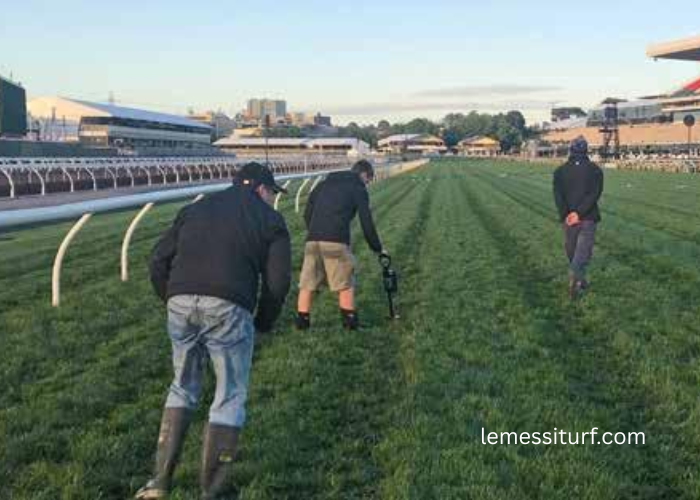
Race day in turf racing is the result of weeks or even months of preparation. While spectators only see the final competition on the track, a huge amount of planning, training, and coordination happens behind the scenes. From horses and jockeys to trainers and support staff, every detail is carefully managed to ensure peak performance on the day of the race. Understanding race day preparation gives a deeper appreciation of the sport and highlights the discipline required to compete at a high level.
Early Morning Routine of Horses
On race day, horses follow a structured and calm routine. Early morning exercise is usually light, focusing on keeping the horse relaxed and alert. Trainers and stable staff monitor the horse’s behavior, energy levels, and overall condition. Feeding is carefully controlled to ensure the horse has enough energy without feeling heavy. Hydration is also important, especially in warmer conditions. Every small detail matters because even minor changes in routine can affect performance.
Role of Trainers on Race Day
Trainers are responsible for overseeing the entire preparation process. On race day, they make final decisions regarding strategy, track conditions, and horse readiness. They closely observe the turf surface to determine how it may impact performance. Trainers also communicate with jockeys, sharing insights about the horse’s condition and the best racing approach. Their experience plays a crucial role in shaping the final strategy before the race begins.
Jockey Preparation and Focus
Jockeys prepare both physically and mentally on race day. They review race strategies, study competitors, and plan positioning during the race. Weight management is also an important part of their preparation, as jockeys must meet strict weight requirements. Before the race, jockeys spend time with their assigned horses to build trust and understanding. This connection helps improve coordination during the actual race, especially in high pressure situations.
Veterinary Checks and Safety Measures
Horse safety is a top priority on race day. Veterinary teams conduct final health checks to ensure each horse in capbleu3 is fit to compete. Any signs of injury or discomfort are taken seriously, and horses may be withdrawn if necessary. Safety equipment for both horses and jockeys is also inspected. Saddles, reins, helmets, and protective gear must meet strict standards to reduce the risk of accidents during the race.
Track Inspection and Weather Conditions
Turf conditions play a major role in race outcomes. Before the race begins, officials inspect the track to assess its firmness, moisture level, and overall condition. Even small changes in weather can significantly impact performance. Rain can soften the turf, making it slower and more challenging, while dry conditions can create faster racing surfaces. Trainers and jockeys adjust their strategies based on these conditions.
Warm Up and Pre Race Activities
Before entering the starting gate, horses go through a warm up phase. This helps them stay focused and reduces stress. Jockeys often guide horses around the track at a controlled pace to prepare them mentally and physically. During this time, fans begin to gather, and the atmosphere becomes more intense. The energy at the racecourse builds as the start of the race approaches.
Final Moments Before the Race
In the final minutes before the race, everything becomes highly focused and structured. Horses are guided into the starting gates, and jockeys take their positions. Trainers and staff step back after completing their responsibilities. This is a critical moment where calmness and concentration are essential. Any distraction can affect performance once the race begins.
Communication and Team Coordination
Race day success depends heavily on teamwork. Trainers, jockeys, veterinarians, and stable staff all work together to ensure everything runs smoothly. Communication is constant, especially when making last minute decisions based on track or weather conditions. This coordination ensures that both horse and rider are fully prepared for the challenge ahead.
Challenges of Race Day Preparation
Despite careful planning, race day always comes with uncertainties. Weather changes, unexpected horse behavior, or track issues can create challenges. Teams must remain flexible and ready to adapt quickly. Maintaining the horse’s calmness is also a challenge, as excitement and crowd noise can affect focus. Experienced handlers use techniques to keep horses relaxed and focused.
Conclusion
Behind every turf race is a detailed and disciplined preparation process that ensures fair competition and peak performance. From early morning routines to final gate entry, every step plays a vital role in shaping the outcome. Race day preparation in turf racing is a combination of science, experience, and teamwork. It highlights the dedication of everyone involved and adds depth to the excitement seen on the track.
 Michael K