 By JESSICA DEABREU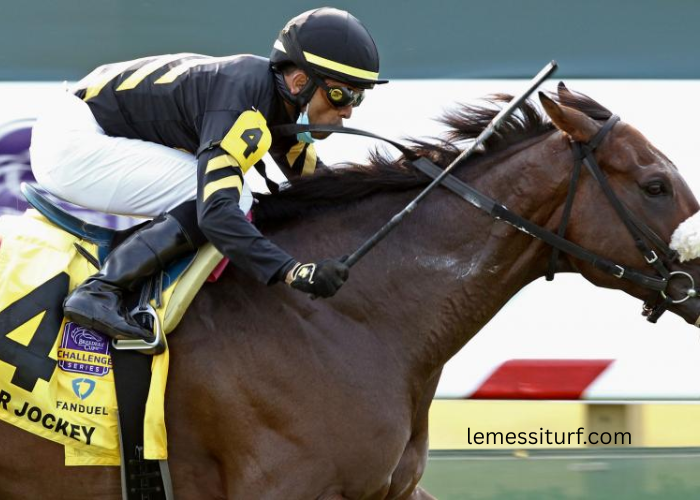
If you have spent any amount of time around the backside of a racetrack or just enjoyed watching the ponies from the grandstands, you know that turf racing is its own beast. It is not like dirt racing where it’s all about power and grit. Grass racing is about finesse, timing, and most importantly, how a horse handles the ground beneath their feet. Because the surface is so different, the gear we use to keep these athletes comfortable and competitive has to be just as specialized.
I remember talking to a trainer years ago who said that a turf horse is like a sports car while a dirt horse is more like a rugged truck. You wouldn’t put off road tires on a Ferrari, right? The same logic applies here. Every piece of equipment, from the shoes they wear to the bits in their mouths, plays a role in how they navigate that lush green carpet.
The Foundation of Every Step
The most critical piece of equipment for any turf horse is arguably the shoes. On a dirt track, horses often wear plates with a bit of a toe grab to help them dig in. But on the grass, those big grabs can actually be dangerous. They can get stuck in the sod and cause a horse to trip or strain a tendon. Instead, turf horses usually wear what we call Queen’s Plates or very low profile shoes.
These shoes are designed to let the horse glide over the grass rather than digging deep into it. It is all about traction without the friction. Some trainers even opt for “rim” shoes which provide a little extra grip around the edges of the hoof. This is especially helpful if the course is a bit soft or yielding after a rainy morning. It’s a delicate balance because you want the horse to feel secure, but you don’t want them anchored to the ground.
Protecting the Legs from Flyaway Sod
One thing people often forget about turf racing is the “divots.” When a pack of twenty horses thunders down the stretch, the grass starts flying everywhere. It’s like being behind a lawnmower that is throwing chunks of earth back at you. Because of this, leg protection is a huge deal for grass runners.
Many trainers will use rundown bandages or lightweight boots. These aren’t just for support; they act as a shield. If a horse is trailing another runner, they are getting pelted with clods of grass and dirt. A good set of bandages can prevent those annoying little scrapes and nicks that can turn into a bigger problem later. Plus, they provide a bit of warmth and compression for the tendons, which is always a plus when you are asking an animal to sprint at forty miles per hour.
Finding the Right Bit for Control
Turf races are notoriously tactical. Unlike dirt races where horses might spread out quickly, turf runners tend to stay in a tight bunch until the final quarter mile. This means the jockey needs incredible control. They need to be able to “rate” the horse, which basically means keeping them calm and collected while waiting for a gap to open up.
Because of this, you’ll often see different bits used on messi du turf horses compared to sprinters. A common choice is a bit that offers a subtle cue rather than a harsh pull. You want the horse to be responsive but not panicked. If a horse is fighting the bit on the grass, they are wasting precious energy they’ll need for that final kick. It is all about that “soft mouth” feel. It’s amazing how a tiny piece of metal can be the difference between a horse finding a hole in traffic or getting stuck behind a wall of runners.
Masks and Blinker Adjustments
The visual aspect of turf racing is another layer to consider. Since the horses are so close together, some get a bit nervous or distracted by the other runners bumping alongside them. This is where blinkers come in. However, on the turf, trainers often use “French” blinkers or small cups. These don’t totally block the horse’s vision like full cups do.
The goal here is to keep the horse focused on what is in front of them without making them feel claustrophobic in a tight pack. You want them to know where their rivals are so they don’t get spooked when another horse pulls up alongside. Some horses even wear ear plugs to dampen the roar of the crowd or the sound of the hooves on the grass, which can be surprisingly loud. It is all about keeping the horse in a “zen” state until it is time to go.
Lightweight Saddles for Speed
Finally, we have to talk about weight. In the world of marathon turf races, every ounce matters. Turf saddles are incredibly light and minimalist. Since grass races often go a longer distance, you want to strip away any unnecessary bulk.
These saddles are designed to stay out of the horse’s way so their shoulders can move freely. If you watch a replay in slow motion, you’ll see how much a turf horse stretches out. Any equipment that binds them or adds extra weight is going to slow them down over a mile and a half. It’s the ultimate lesson in “less is more.”
Bringing It All Together
Choosing the right gear for a turf horse isn’t just about following a checklist. it’s about listening to the horse and understanding the specific conditions of the track that day. A horse might need a different shoe if the grass is firm versus when it is “heavy.”
When everything clicks, and the horse is comfortable in its equipment, it is a beautiful thing to watch. They look like they are floating over the ground. It is that perfect harmony of biology and technology. Whether you are a trainer or just a fan, paying attention to these small details gives you a much deeper appreciation for the sport. It’s not just about who is the fastest; it’s about who is the best prepared for the unique challenges of the green.